

 Current position > News detail
『Flow Meter Description Manual: Introduction to Industrial Liquid and Gas Volumetric Sensors』Related information(v cone flow meter|rotary gas meter|gallon meter|gear meter|metal tube rotameter|glass tube rotameter|nutating disk meter|transit time ultrasonic flow meter|wedge flow meter|pd meters|hydraulic flow meter|ultrasonic water flow meter|water flow meter|air flow meter|magnetic water flow meter|oxygen flow meter|gas flow meter|argon flow meter|air velocity meter|gasoline flow meter|fuel flow meter|ultrasonic water meter|digital water meter|nitrogen flow meter|solid flow meter|Oxygen tank flow meter|digital water flow meter|diesel fuel flow meter|steam flow meter|02 flow meter|compressed air flow meter|oil flow meter|liquid flow meter)
Flow Meter Description Manual: Introduction to Industrial Liquid and Gas Volumetric Sensors
Quick Answer: Silver Instruments supplies volumetric flow sensors for industrial liquid and gas lines. This manual covers Coriolis, electromagnetic, ultrasonic, vortex, oval gear, and thermal mass devices. Send pipe size, fluid type, flow range, pressure, and temperature to get a model and price.
Industrial flow meter selection starts with process data. Many engineers skip this part. In practice, a wrong sensor leads to batching errors, custody transfer disputes, or early failure. We have seen this on customer sites many times. This manual explains liquid and gas volumetric sensors in plain terms. Use it before you request a quote.
A volumetric sensor measures the amount of fluid passing through a pipe. It can report in m3/h, L/min, kg/h, or standard cubic meters per hour. Some sensors measure volume directly. Others measure velocity and calculate volume using pipe area. Coriolis meters measure mass directly. Users often call all of them flow meters.
What Counts as a Volumetric Sensor in Industrial Service
Volumetric sensors fall into a few groups. Positive displacement meters capture fluid in small chambers. Oval gear and gear flow meters belong here. They work well for viscous oil and fuel batching. Velocity sensors include electromagnetic, vortex, and ultrasonic types. They need a full pipe and stable flow profile. Mass sensors include Coriolis and thermal mass devices. They measure mass directly and ignore density changes.
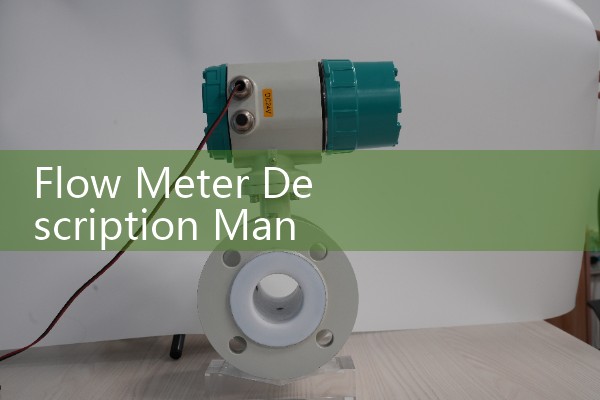
For water and wastewater, an electromagnetic flow meter is the default choice. It works on conductive liquids. The required conductivity is usually 5 µS/cm or more. It handles pipe sizes from DN15 to DN3000. Liners can be PTFE, hard rubber, or PFA. Electrodes can be 316L, titanium, or Hastelloy. Output is often 4-20 mA HART or pulse. A seawater flow meter for desalination plant service usually needs titanium electrodes and PTFE liner.
For oils, fuels, and high viscosity chemicals, an oval gear flow meter is a practical option. It measures liquid volume directly. Accuracy can reach 0.5 percent of rate. A paint manufacturer in Southeast Asia needed a resin batching flow meter. Viscosity was 1600 cP at 35 deg C. We supplied two oval gear flow meters with pulse output for a PLC. Batching error dropped from 4 percent to 0.5 percent.
Liquid Flow Meter Selection by Application
Electromagnetic flow meter: conductive liquids, water, wastewater, acids, slurries. Minimum conductivity often 5 µS/cm. Pipe size DN15 to DN3000. Use PTFE liner for chemical and seawater applications. Use hard rubber for raw water and slurry. Output 4-20 mA HART. Typical accuracy 0.5 percent of rate.
Coriolis mass flow meter: oils, syrups, molasses, LPG, fuels. Measures mass flow, density, and temperature. Accuracy 0.1 percent to 0.2 percent of rate. Suitable for truck loading, custody transfer, and batch blending. A food plant in Peru used a sanitary Coriolis meter for chocolate syrup. The meter measured density in real time. The plant found an ingredient mix error before the batch left the tank.
Ultrasonic flow meter: clamp-on or inline. Pipe size DN25 to DN5000. Use clamp-on when pipe cutting is not all
Gas Volumetric Sensors and Mass Flow Options
Vortex flow meter handles steam, compressed air, and natural gas. It measures volume at line conditions. Add pressure and temperature transmitters for mass flow compensation. Use wafer or flange body. Typical accuracy 1 percent of rate for liquid and 1.5 percent for gas. A boiler house in Indonesia used a vortex flow meter with a pressure transmitter and PT100. The plant tracked steam mass flow in kg/h and found an air leak in the distribution line.
Thermal mass flow meter measures direct mass flow for air, biogas, natural gas, and flare gas. It works at low pressure and low flow. Insertion or inline versions are available. Range can start from 0.5 Nm3/h for small lines. This meter helps in compressed air system audits and digestor gas monitoring.
For natural gas flow measurement, the choice depends on pressure and flow range. Vortex flow meter suits medium to high flow. Thermal mass flow meter suits low flow and low pressure. Coriolis gas flow is possible but less common for large lines.
How to Request a Flow Meter Quote
Send us the process data. Tell us the fluid, pipe size in DN, operating pressure in bar, temperature in deg C, flow range, and signal output. For liquids, include viscosity in cP and conductivity in µS/cm if you know them. For gas, include whether flow is actual or standard conditions. We reply with a model, datasheet, and price.
Contact Silver Automation Instruments. Tel: +86-25-68650347. Whatsapp: +86-25-52155837. WeChat: +86 15365082610. Our team supports customers in Southeast Asia, Oceania, Latin America, Africa, and the Middle East. Most quotes go out within one business day.
Five Key Questions from Buyers
Question: Which flow meter is best for diesel fuel? Answer: Oval gear flow meter works well. It handles diesel viscosity from 2 to 300 cP. Use pulse or 4-20 mA output. It is simple to maintain on a skid or fuel line.
Question: Can an electromagnetic flow meter measure oil? Answer: No. Oil is not conductive. Use Coriolis, oval gear, or ultrasonic for oil service. For clean low viscosity oil, ultrasonic clamp-on may also work.
Question: What is the difference between volumetric and mass flow? Answer: Volumetric flow changes with pressure and temperature in gas. Mass flow does not. For steam and natural gas, we recommend mass flow or compensated vortex.
Question: Do you supply a seawater flow meter for desalination plant? Answer: Yes. We supply electromagnetic flow meters with titanium electrodes and PTFE liner. Send pipe size and flow range. We also supply ultrasonic flow meters for brine lines.
Question: How do I get a price for a flow meter? Answer: Send us fluid, pipe size DN, pressure bar, temperature deg C, flow range, and output. We provide a quote within one business day. No account needed.
This manual is a working guide for plant engineers, maintenance teams, and procurement staff. Use it to shortlist flow meter types. Then send us the process data. We will help you confirm the model and price.