

_500x500.jpg)
『Flow Meter Connection Standards: Evaluating Flanged, Threaded, Wafer, and Tri-Clamp Fittings』Related information(v cone flow meter|rotary gas meter|gallon meter|gear meter|metal tube rotameter|glass tube rotameter|nutating disk meter|transit time ultrasonic flow meter|wedge flow meter|pd meters|hydraulic flow meter|ultrasonic water flow meter|water flow meter|air flow meter|magnetic water flow meter|oxygen flow meter|gas flow meter|argon flow meter|air velocity meter|gasoline flow meter|fuel flow meter|ultrasonic water meter|digital water meter|nitrogen flow meter|solid flow meter|Oxygen tank flow meter|digital water flow meter|diesel fuel flow meter|steam flow meter|02 flow meter|compressed air flow meter|oil flow meter|liquid flow meter)
Flow Meter Connection Standards: Evaluating Flanged, Threaded, Wafer, and Tri-Clamp Fittings
Quick Answer: Flanged connections suit larger pipe sizes and pressure above 10 bar. Threaded connections fit small lines up to DN50 for fuel, air, and water. Wafer connections mount between existing flanges and reduce weight. Tri-Clamp connections serve hygienic processes that need fast cleaning and frequent inspection.
Connection Type Changes Cost, Installation, and Spare Parts
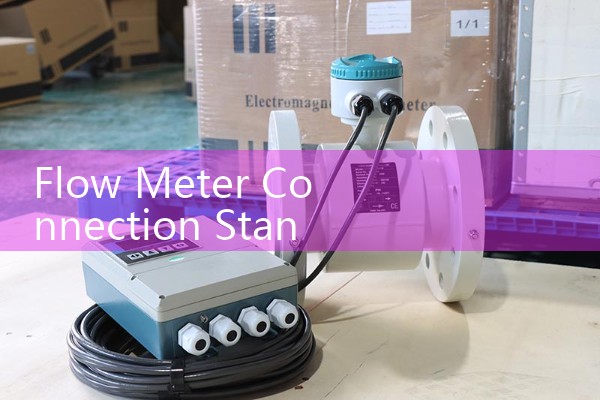
Connection type changes the bill of materials and the installation hours. A DN100 flanged electromagnetic flow meter has a heavier body than a wafer version. Both units output 4-20 mA HART, but the piping crew handles different bolts, gaskets, and alignment tools.
Many RFQs from Southeast Asia and Latin America start with flow range but not connection. A water treatment contractor in Chile asked for a DN80 flow meter for a desalination plant. The medium was seawater at 18 °C and 6 bar. The pipe standard was PN16. The right answer was a flanged electromagnetic flow meter with rubber liner and 316L electrodes. A threaded DN80 meter would be uncommon and would add leak paths.
Flanged Connections for Heavy Duty and High Pressure
Flanged connections use a raised face or flat face flange bolted to a mating pipe flange. They suit oil and gas, chemical plants, water networks, and lines above 10 bar or 100 °C. Common standards include ANSI 150, ANSI 300, PN16, PN40, and JIS 10K. A DN50 Coriolis mass flow meter with ANSI 300 flanges can measure crude oil at 40 bar and 120 °C.
Flanged meters are easier to inspect and replace. The bolts take the stress and keep the pipe aligned. This matters in marine and offshore service where downtime is expensive. Flanged bodies cost more because of thicker metal and machining. But for DN80 and larger lines with flammable, corrosive, or heated fluids, flanged is the safe default.
Threaded Connections for Small Lines and Local Fit Up
Threaded connections use NPT, BSPT, or BSPP threads. They fit small lines from DN4 to DN50. They are common in fuel oil skids, lubricant dosing, chemical injection, and pilot plants. A DN15 oval gear flow meter for diesel often uses BSPP threads because the body is small and the pressure is under 10 bar.
Threaded meters are popular in Australia and the Middle East for local assembly. The installer uses thread sealant and a wrench. The downside is the leak path. Every thread is a potential leak point under vibration. Silver Instruments recommends threaded connections for clean non-aggressive fluids under 20 bar and below 80 °C. If the medium is hot thermal oil or wet chlorine, use flanged or welded connections.
Wafer Connections for Compact Installation Between Flanges
Wafer connections fit between two pipe flanges. The meter body has no flange of its own. Bolts pass through the pipe flanges and around the meter body. This saves weight and face-to-face length. Many vortex flow meters and some electromagnetic flow meters use wafer bodies for steam, cooling water, and compressed air at DN40 to DN200.
A wafer meter is cheaper and faster to install. The plant needs a set of mating flanges, a gasket on each side, and longer bolts. Pressure is limited by the gasket material and body rating. A typical wafer vortex flow meter with 316L body can handle saturated steam at 16 bar and 220 °C. That covers many utility steam lines in Vietnam, Indonesia, and the Philippines. Wafer connections need careful alignment. If the pipe flanges are not parallel, the body sees uneven stress and may leak after thermal cycling.
Tri-Clamp Connections for Hygiene and Fast Cleaning
Tri-Clamp conne
Tri-Clamp is not a high pressure connection. Most Tri-Clamp lines run below 10 bar and below 120 °C. The gasket material matters. EPDM suits dairy and water. Silicone suits hot water and some food contact. Viton suits oils and some chemicals. PTFE suits aggressive CIP fluids. A food processor in Saudi Arabia ordered a DN40 Coriolis mass flow meter with Tri-Clamp ends for date syrup. The line pressure was 4 bar, the temperature was 60 °C, and the viscosity changed from 3000 to 9000 cP. The Tri-Clamp fitting allowed daily cleaning without cutting into the pipe.
Matching Material and Pressure Ratings to the Process
Do not select a connection by pipe size only. Pressure rating, temperature, medium type, and cleaning method decide the material and face style. A PN16 flanged electromagnetic flow meter for clean water can use a carbon steel body with EPDM liner. A seawater service needs a 316L body and 316L electrodes. A chemical plant with nitric acid may need a PTFE liner and Hastelloy C electrodes.
Gaskets are a small cost but a big risk. A water line with an EPDM gasket fails in hot oil. A steam line with a rubber gasket fails immediately. Always name the gasket material in the RFQ. Silver Instruments asks for this data: DN size, pipe schedule, pressure rating, process temperature, process fluid, viscosity, conductivity, flow range, and connection type.
How to Specify the Right Connection in Your RFQ
A good RFQ includes process conditions, not only the meter model. Send us your pressure in bar, temperature in °C, pipe size in DN or inch, flow range in kg/h or m³/h, and process fluid. State the connection standard. For flanged, tell us ANSI 150, PN16, or JIS 10K. For threaded, tell us NPT or BSPP. For Tri-Clamp, tell us the OD tube size and gasket material.
Explain the cleaning method. A food plant that uses steam sterilization needs a meter rated for 130 °C and a gasket that survives thermal cycling. A chemical plant that flushes with solvent needs a liner and electrode material that resists swelling. Contact Silver Automation Instruments or Silver Instruments for a fast quotation. Tel: +86-25-68650347. Whatsapp: +86-25-52155837. WeChat: +86 15365082610. Website: flow-meter.com.au
FAQ
Which flow meter connection is best for a DN100 water line at 10 bar? Flanged is the standard choice. A DN100 electromagnetic flow meter with PN16 flanges handles the pressure and the line size without additional reducers.
Can I use a wafer connection for high pressure steam? Wafer works for many saturated steam lines up to 16 or 25 bar if the body and gaskets are rated correctly. Above 40 bar, flanged is safer.
Are threaded flow meters suitable for gas? Yes for small compressed air, nitrogen, or fuel gas lines up to DN50 and under 10 to 20 bar. Use thread sealant rated for the gas and check local codes.
What Tri-Clamp size fits a 2 inch sanitary line? A 2 inch Tri-Clamp ferrule fits a 2 inch OD tube. Confirm the OD in millimeters because some plants use 50.8 mm and some use 51 mm.
How do I avoid gasket mismatch in a chemical flow meter? State the full fluid name, concentration, and temperature. Silver Instruments will select the liner and gasket material, such as PTFE, EPDM, Viton, or silicone.
 Hot Product
 Related AD