

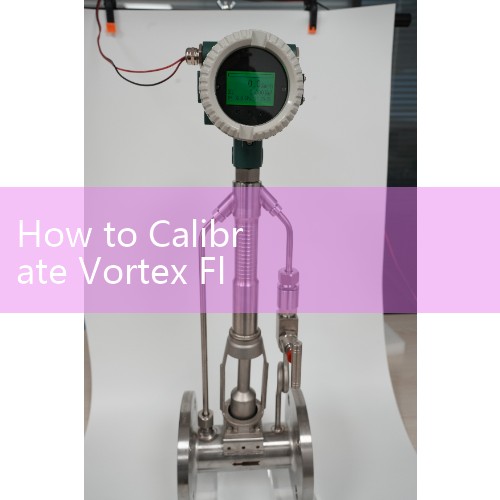
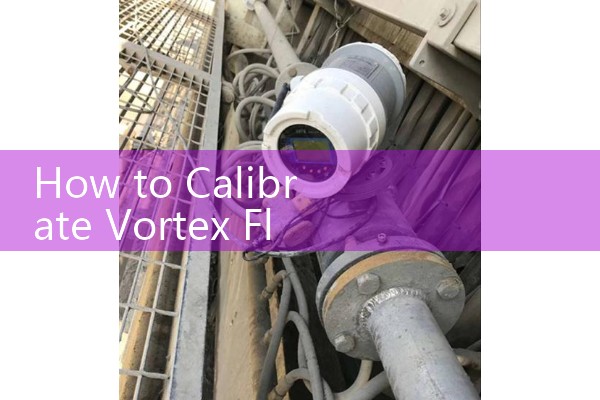
『How to Calibrate Vortex Flow Meter: Verify the internal electronics using reference frequency generators to simulate vortex shedding speeds.』Related information(v cone flow meter|rotary gas meter|gallon meter|gear meter|metal tube rotameter|glass tube rotameter|nutating disk meter|transit time ultrasonic flow meter|wedge flow meter|pd meters|hydraulic flow meter|ultrasonic water flow meter|water flow meter|air flow meter|magnetic water flow meter|oxygen flow meter|gas flow meter|argon flow meter|air velocity meter|gasoline flow meter|fuel flow meter|ultrasonic water meter|digital water meter|nitrogen flow meter|solid flow meter|Oxygen tank flow meter|digital water flow meter|diesel fuel flow meter|steam flow meter|02 flow meter|compressed air flow meter|oil flow meter|liquid flow meter)
How to Calibrate a Vortex Flow Meter: Verify Internal Electronics with Reference Frequency Generators
Quick Answer: You can verify vortex flow meter electronics without process flow by injecting a reference frequency that simulates vortex shedding. Match the injected frequency to the meter K-factor and check the display, 4-20 mA output, and pulse output. This test isolates the transmitter electronics from the sensor and gives a fast pass or fail result.
Why Verify Vortex Meter Electronics Without Flow
Field flow calibration is expensive and often not possible on a live process line. A reference frequency generator gives you a quick pass or fail test for the internal electronics. It is common on oil and gas sites in Southeast Asia and water treatment plants in Australia. Engineers use it before installation or after a suspected lightning strike.
Here is the thing. A vortex meter has two main parts. The sensor and bluff body generate the raw vortex shedding signal. The transmitter converts that signal into flow, total, analog output, and pulse output. If the electronics fail, the meter can look healthy but send wrong values to the PLC or flow computer.
What You Need for the Test
You need a calibrated frequency generator, a multimeter, a 24 V DC power supply, the meter manual, and the K-factor from the meter nameplate. For hazardous areas, use an intrinsically safe generator if the transmitter is still connected in a classified zone. We have seen this on customer sites many times in Vietnam and Indonesia.
How Reference Frequency Generators Simulate Vortex Shedding
Vortex shedding produces a sine-like signal with amplitude and frequency proportional to flow. The internal electronics count the frequency. A generator replaces that raw sensor signal. The transmitter does not know the difference. You set a frequency. The meter calculates flow as frequency divided by K-factor.
Example. A DN40 Silver Instruments vortex meter has a K-factor of 28.6 pulses per liter. If you inject 286 Hz, the flow equals 286 divided by 28.6, which is 10 liters per second. That is 36 cubic meters per hour. The display should show about 36 m3/h. The analog output should sit near 12 mA if the 20 mA span is 72 m3/h.
Step by Step Electronics Verification Procedure
First, remove power from the meter. Disconnect the sensor cable from the transmitter terminal block. Connect the frequency generator to the sensor input terminals. Set the generator to 100 Hz square wave at 100 mV peak-to-peak. Power the transmitter with 24 V DC. Check the display against the calculated flow.
Second, increase the generator frequency to 200 Hz. The flow display should double. If the display does not follow the frequency change, check the K-factor setting and the low flow cutoff. Then measure the 4-20 mA signal across the loop. A mid-range flow should give a mid-range current. Check the pulse output with a frequency counter if the meter drives a PLC or flow computer.
Third, record the results. Write down the injected frequency, the expected flow, the displayed flow, the analog output, and the pulse output. This record is useful for ISO audits and maintenance planning. Most engineers skip this part when they are in a hurry.
Acceptable Tolerances for Silver Instruments Vortex Meters
We recommend following the factory test sheet. For most liquid and gas applications, the electronics verification should be within 0.1 percent of the calculated
On a chemical plant in Thailand, a wrong K-factor stored in a flow computer caused a 3 percent error even though the meter electronics passed the frequency test. Because the transmitter was fine, the team spent two days looking at the wrong device. That happens more often than people expect.
Field Calibration vs Electronics Verification
A reference frequency generator does not calibrate the sensor. It verifies the electronics only. If the sensor is damaged, fouled, or the bluff body is bent, the frequency test will still pass. In practice, most errors come from sensor damage, incorrect K-factor, or wiring. For full calibration, send the meter to a liquid or gas flow rig. But for a quick pre-commissioning check, frequency injection is the fastest method.
Common Mistakes When Using a Frequency Generator
One mistake is using a sine wave when the transmitter expects a square wave. Check the manual. Another is setting the generator output too high and saturating the input amplifier. Start at 100 mV peak-to-peak. Another mistake is testing with the sensor still connected. This can load the generator and give false readings.
Some engineers forget to restore the sensor wiring after the test. The meter then reads zero flow on a live process. This causes false alarms or pump trips. Always double check the terminal connections after the verification.
FAQ
How often should I verify vortex meter electronics?
For custody transfer, verify every 12 to 24 months. For process monitoring, once every 2 to 3 years is enough. After lightning or power surges, test immediately. In coastal plants in the Middle East and Southeast Asia, frequent voltage spikes make annual checks a good practice.
Can I use a function generator from a general electronics lab?
Yes, if it can output 0.5 Hz to 10 kHz and at least 50 mV peak-to-peak. Use a battery powered unit in the field. A generator with a clean square wave output is better for most Silver Instruments vortex transmitters.
Does frequency injection verify the sensor and bluff body?
No. It only verifies the transmitter electronics. A damaged sensor or coated bluff body can pass this test. If you need to verify the sensor, you need a flow rig or wet calibration.
What frequency should I inject for a DN50 gas meter?
You need the K-factor from the meter body. Use the formula flow equals frequency divided by K-factor. Convert to actual cubic meters per hour at operating conditions. For example, a DN50 gas meter with a K-factor of 12.4 pulses per liter and an injected 124 Hz equals 10 liters per second or 36 m3/h at line conditions.
What should I do if the electronics fail the frequency test?
Check the K-factor, damping, low flow cutoff, and output wiring first. If the display is still incorrect, the transmitter board may need repair. Contact Silver Instruments with the serial number and test results.
Send us your fluid type, pressure in bar, temperature in degrees Celsius, pipe size in DN, and flow range. We will recommend a vortex flow meter and confirm if your calibration procedure matches the factory test sheet.
Silver Automation Instruments
Tel: +86-25-68650347
WhatsApp: +86-25-52155837
WeChat: +86 15365082610
 Hot Product
 Related AD